Compare Local Contractors for Basement Drainage Services
Compare local contractors for basement drainage to define project scope, verify experience, and set clear expectations, ensuring a successful and reliable repair process.
Basement drainage services typically encompass a range of solutions aimed at managing excess water and preventing moisture buildup in basement areas. This work often involves installing or repairing drainage systems such as interior or exterior sump pumps, French drains, and waterproof membranes. Proper drainage helps mitigate issues like flooding, mold growth, and structural damage, making it a crucial aspect of maintaining a dry and stable basement environment. Understanding the scope of these services ensures property owners can address specific concerns effectively, whether it’s installing new drainage infrastructure or upgrading existing systems to improve performance.
Clearly defining the scope of basement drainage work is essential for setting realistic expectations and ensuring the project meets specific needs. Property owners should work with service providers to identify the problem areas, determine the most suitable drainage solutions, and outline the work involved in detail. Having this information in writing helps prevent misunderstandings and provides a clear reference throughout the project. It also allows property owners to evaluate whether a contractor’s proposed approach aligns with their expectations and the unique requirements of their property, leading to a more informed decision-making process.
When comparing local contractors for basement drainage services, property owners should consider a few practical factors to identify the best fit. It’s helpful to review each service provider’s experience with similar projects and ask for references or examples of past work. Verifying that contractors understand the scope of work and can provide detailed, written proposals helps ensure transparency. Additionally, assessing how each contractor approaches project planning and communication can reveal their professionalism and reliability. By focusing on these practical aspects, property owners can make well-informed comparisons and select a service provider capable of delivering the necessary drainage solutions effectively.
Compare local contractors by outlining your project priorities, verifying experience, and setting clear expectations in writing.
- Compare Contractor Experience - review the background and expertise of local contractors to ensure they are knowledgeable about basement drainage systems.
- Define Project Scope - clearly outline the work needed and expectations in written agreements to prevent misunderstandings.
- Verify Credentials and References - check references and past work to assess the reliability and quality of local service providers.
- Assess Communication and Professionalism - evaluate how contractors communicate and handle inquiries to ensure clarity and professionalism.
Before comparing contractors, clearly describe your basement drainage project to ensure accurate scope definition and expectations.
- Verify the contractor’s experience with basement drainage systems to ensure familiarity with relevant techniques and solutions. - Assess whether the service provider clearly defines the scope of work and the methods they will use.
- Compare multiple local contractors to evaluate their approaches and ensure consistency in service offerings. - Look for detailed written estimates that specify materials, procedures, and project expectations.
- Check the contractor’s reputation and references to confirm past performance on similar basement drainage projects. - Ensure that all project details, responsibilities, and expectations are documented in a formal agreement.
- Confirm that the contractor assesses your basement’s specific drainage needs before proposing solutions. - Clarify whether the service provider considers existing drainage issues and potential future concerns.
- Ensure the contractor provides a clear explanation of the proposed drainage system and its maintenance requirements. - Request written descriptions of the work plan to facilitate comparison and informed decision-making.
Compare local contractors’ experience and services to clearly define your basement drainage project scope and expectations.
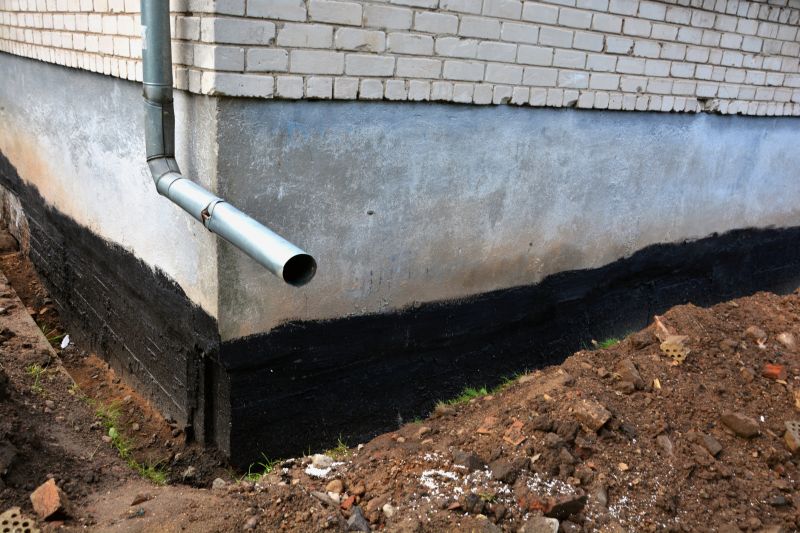
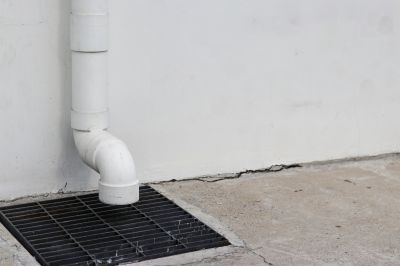
Learn how to compare basement drainage contractors, define scope, verify experience, and set clear expectations.
- Scope Definition - Clearly outline the specific drainage issues and desired outcomes for basement waterproofing.
- Experience Verification - Confirm that local contractors have relevant experience with basement drainage systems and similar projects.
- Material and Method Selection - Specify the types of drainage solutions and materials to be used in the project.
- Work Scope in Writing - Ensure all tasks, responsibilities, and project details are documented in a detailed scope of work.
- Exclusion of Services - Identify and communicate any work or services that are outside the scope to prevent misunderstandings.
When comparing contractors for basement drainage services, it is important to evaluate their experience with similar projects. Homeowners should inquire about the types of drainage issues the service providers have handled in the past and whether they have worked on properties with comparable layouts or soil conditions. Contractors with relevant experience are more likely to understand the unique challenges of a particular basement and provide solutions tailored to those needs. Gathering details about their previous work can help ensure that the chosen service provider has a proven track record in managing projects similar to the one at hand.
A clear, written scope of work is essential for setting expectations and ensuring all parties are aligned. Homeowners should seek detailed descriptions of the services included, such as excavation, installation of drainage systems, sump pump placement, and any necessary repairs. A comprehensive scope helps prevent misunderstandings and provides a basis for evaluating the thoroughness of different service providers. It is advisable to request written proposals that outline the specific tasks and deliverables, enabling a comparison based on the completeness and clarity of the scope rather than just general assurances.
Verification basics involve confirming that service providers have the necessary experience and a solid reputation within the local community. Homeowners can ask for references or reviews from previous clients who had similar drainage issues. Checking the provider’s history of completing projects successfully and their familiarity with local building conditions can provide valuable insight. Additionally, verifying that the contractor is familiar with relevant local regulations and standards ensures that the work will meet necessary requirements and reduce the risk of future complications.
Evaluating options without focusing on prices involves assessing how well each contractor’s approach aligns with the project’s needs. Homeowners should consider the level of detail in their proposals, the clarity of the scope, and the experience demonstrated through past work. It is also helpful to compare how each service provider plans to address specific drainage concerns and whether they have suggested solutions that are appropriate for the property’s conditions. By focusing on the quality of the proposed work and the contractor’s expertise, homeowners can make informed decisions based on value and reliability rather than cost alone.
Ask contractors to provide written scope details to ensure clear expectations and consistent project understanding.
- Experience and Qualifications - What experience do local contractors have with basement drainage systems similar to the scope of this project?
- Scope of Work - How do contractors define and outline the specific tasks included in their basement drainage services?
- Materials and Methods - What types of drainage solutions and materials do local service providers typically recommend for basements?
- Warranty and Guarantees - Do contractors provide written warranties or guarantees that specify the scope of coverage for their work?
- Comparison of Services - How can homeowners compare the scope, methods, and experience of different local contractors to find the best fit?
How can I compare contractors for basement drainage services? It's helpful to review their experience, request references, and verify their scope of work to ensure they meet the specific needs of the project.
What should I consider when defining the scope of my basement drainage project? Clearly outline the problem areas, desired outcomes, and any specific features or materials to ensure contractors understand the full extent of the work.
How do I verify a contractor’s experience with basement drainage systems? Ask for details about their previous projects, years of experience, and whether they have handled similar drainage issues in the past.
Why is it important to get the scope of work in writing? Having a detailed written agreement helps set clear expectations, prevents misunderstandings, and provides a reference for the completed work.
What questions should I ask contractors before hiring for basement drainage work? Inquire about their process, materials used, project timeline expectations, and how they handle unforeseen issues during the project.
How can I ensure the contractor understands my basement drainage needs? Communicate your concerns clearly, ask for their plan of action, and confirm that all aspects of the project are included in the written scope of work.
Understanding the key aspects of basement drainage services can help in making informed decisions when choosing a contractor. Visitors learned how to clearly define the scope of work, verify the experience of service providers, and set expectations in writing to ensure the project aligns with their needs. Comparing multiple local contractors through a structured approach allows for a more confident selection process.
To find the right contractor for basement drainage needs, consider using the quote form to explore options available in the area. This tool makes it easy to compare local service providers, helping to identify those best suited to handle the job based on experience and scope. Taking the time to evaluate and connect with qualified contractors can support a well-informed decision.