Compare Local Contractors for Drain Tile Installation Success
Compare local contractors for drain tile installation to define project scope, verify experience, and establish clear expectations in writing for a successful upgrade.
Drain tile installation is a specialized service that involves placing a system of perforated pipes and gravel around a property's foundation or landscape to manage excess water. This work typically includes assessing the property's drainage needs, designing a suitable system, excavating areas as needed, installing the drain tiles, and ensuring proper coverage and connection to existing drainage outlets. Proper installation helps prevent water accumulation, foundation issues, and landscape erosion, making it an important consideration for property owners facing drainage challenges.
Clearly defining the scope of drain tile work is essential for setting realistic expectations and ensuring the project meets specific needs. A detailed scope should specify which areas require drainage improvements, the type of drain tile system to be installed, any necessary excavation or backfilling, and connections to existing drainage infrastructure. Having these details in writing helps property owners and contractors align on project goals, prevents misunderstandings, and provides a basis for evaluating the work once completed.
When comparing local contractors for drain tile installation, property owners should consider experience, reputation, and the range of services offered. It’s helpful to review the contractor’s history with similar projects and ask for references or examples of past work. Verifying that the contractor understands the scope and can explain their approach clearly is also important. Using written descriptions of the project and requesting detailed proposals can aid in comparing options objectively, ensuring that property owners select service providers capable of meeting their specific drainage needs.
Compare local contractors by outlining your project priorities, verifying experience, and setting clear written expectations.
- Verify Experience - Ensure contractors have relevant experience with drain tile installation projects.
- Define Project Scope - Clearly outline the work to be performed and expected outcomes in writing.
- Compare Service Providers - Review qualifications and expertise of local contractors to find the best match.
- Set Clear Expectations - Communicate project details and requirements to avoid misunderstandings during installation.
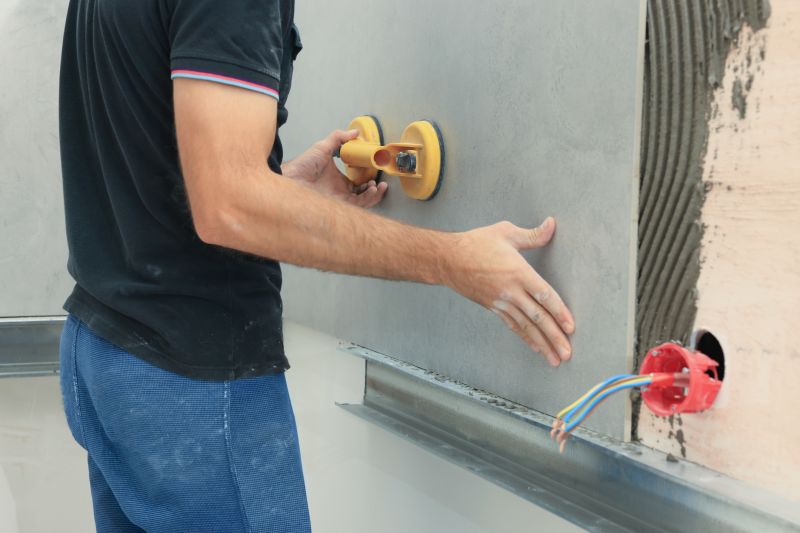
Clearly define your drain tile project needs to compare local contractors, verify experience, and set expectations in writing.
- Verify experience and references related to drain tile installation projects. - Ensure contractors can demonstrate a history of successful drain tile work in similar conditions.
- Define the scope of work clearly in writing before beginning the project. - Clarify the extent of the installation, materials used, and any additional services included.
- Check for proper site assessment and recommendations specific to your property's drainage needs. - Local contractors should evaluate existing conditions to determine the best installation approach.
- Confirm that the contractor provides a detailed written estimate outlining the work to be performed. - A comprehensive scope helps prevent misunderstandings and sets clear expectations.
- Discuss the installation process and methods to understand how the work will be carried out. - Knowing the approach ensures alignment with your property’s requirements and standards.
- Ensure the contractor offers a written warranty or guarantee for their drain tile installation services. - This provides assurance of quality and recourse if issues arise post-installation.
Compare local contractors’ experience and clarify project scope to ensure clear, effective drain tile installation.

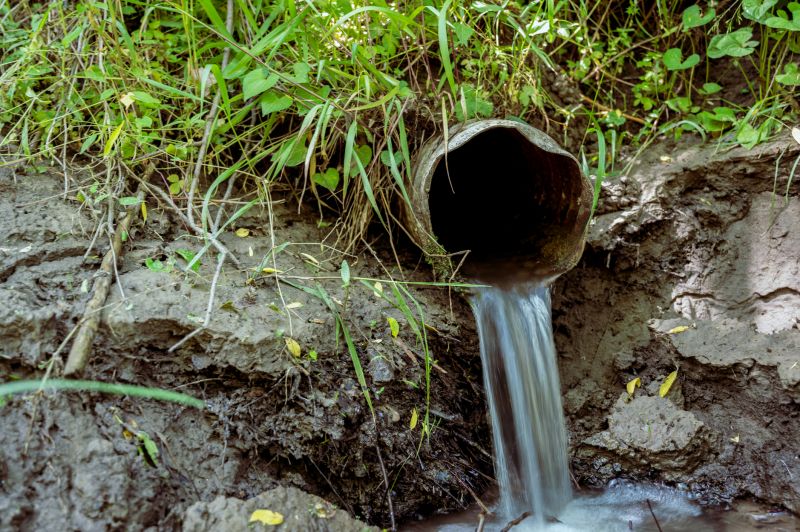

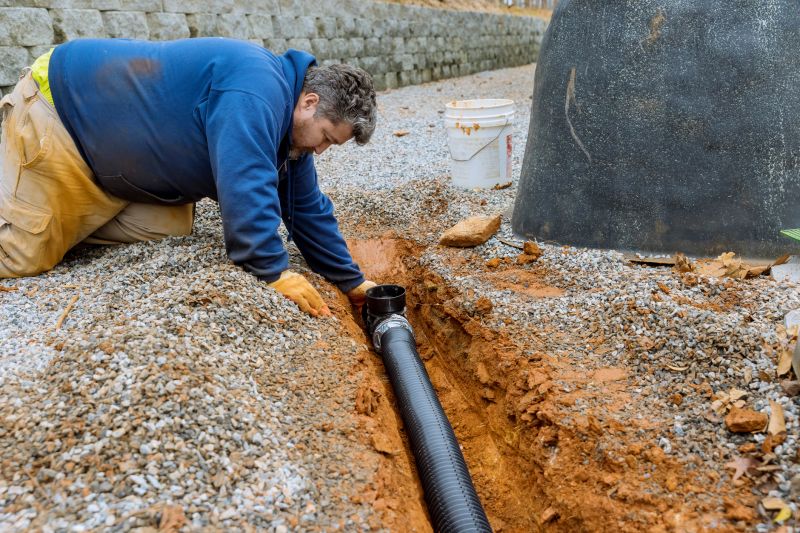
This section helps compare drain tile installation contractors by emphasizing consistent scope definitions, experience verification, and clear written expectations.
- Scope Definition - Clearly outline the specific drainage areas and the extent of the drain tile installation needed.
- Material Selection - Specify the types of materials and drainage components to be used in the project.
- Experience Verification - Confirm that the service providers have relevant experience with drain tile installation projects.
- Work Specifications - Document detailed installation procedures, including trenching, placement, and backfilling requirements.
- Written Agreement - Ensure all project expectations, scope details, and responsibilities are documented in a formal agreement.
When evaluating contractors for drain tile installation, it’s important to consider their experience with similar projects. Homeowners should inquire about the types of properties they have worked on and whether they have handled projects comparable in scope and complexity. A contractor with a proven track record in drain tile systems will be more familiar with common challenges and best practices, helping to ensure the work is performed effectively and efficiently. Gathering details about past projects can provide insight into their familiarity with local soil conditions and drainage issues specific to the area.
A clear, written scope of work is essential for setting expectations and avoiding misunderstandings. Homeowners should seek contractors who can provide a detailed description of the work involved, including the materials to be used, the extent of excavation, and any additional services included in the project. Having this information in writing helps ensure that both parties agree on what will be completed, providing a foundation for accountability and clarity throughout the process. It’s advisable to review and compare these scope documents from multiple service providers to identify the most comprehensive and transparent proposals.
Verification basics involve assessing a contractor’s experience and reputation through straightforward methods. Homeowners can ask for references from previous clients or review any available project portfolios. Confirming that a contractor has completed projects similar in scope and size can offer reassurance of their capability. Additionally, checking for any relevant local permits, licenses, or insurance documentation-if applicable-can help verify that the contractor adheres to industry standards and local regulations. These verification steps contribute to making an informed decision based on the contractor’s demonstrated experience and professionalism.
When comparing options, it’s important to evaluate how each contractor approaches the project scope and their level of communication. Homeowners should review the details provided in the written scope, ensuring it aligns with their expectations and needs. Asking service providers about their process and experience handling similar installations can reveal their expertise and approach. Ultimately, selecting a contractor involves assessing their ability to clearly articulate the work, demonstrate relevant experience, and provide a detailed, transparent scope-helping to ensure the project proceeds smoothly and meets the homeowner’s requirements.
Ask contractors to provide written scope details to ensure clear expectations and consistent project understanding.
- Experience and References - What experience do local contractors have with drain tile installation in similar projects?
- Scope of Work - How will the scope of the drain tile installation be clearly defined and documented?
- Materials and Methods - What materials and installation methods do local service providers recommend for this type of work?
- Warranty and Guarantees - What warranties or guarantees do local contractors offer for their drain tile installation services?
- Comparison of Services - How do local contractors differ in their approach to scope, techniques, and project management?
What should I consider when choosing a contractor for drain tile installation? It's important to compare local contractors based on their experience, reputation, and the scope of services they offer to ensure they meet specific project needs.
How can I verify a contractor's experience with drain tile projects? You can review their past work, ask for references, or check for any relevant project portfolios to assess their experience and expertise in drain tile installation.
What questions should I ask a contractor before hiring for drain tile work? Inquire about their process, the materials they use, how they define project scope, and how they handle unforeseen issues to ensure clarity and proper expectations.
How important is it to have a written scope of work for drain tile installation? Having a detailed, written scope helps set clear expectations, prevents misunderstandings, and provides a reference for project completion and potential adjustments.
Can I compare multiple contractors effectively for drain tile installation? Yes, by reviewing their experience, scope of work, and communication, you can compare different service providers to find the best match for your project.
Why is it beneficial to work with local contractors for drain tile installation? Local contractors are familiar with regional conditions and building codes, which can help ensure the work is completed appropriately and efficiently.
Understanding the key aspects of drain tile installation, including defining the scope of work, verifying experience, and setting clear expectations in writing, can help ensure a smoother project process. Comparing options among nearby contractors allows for better-informed decisions and helps identify service providers best suited to handle the job. Utilizing the quote form provides a straightforward way to explore local contractor choices and find the right fit for specific needs.
By using the quote form, visitors can easily connect with local contractors who specialize in drain tile installation. This approach makes it simple to review different service providers, compare their offerings, and gather the information needed to select the most appropriate contractor for the project. Taking these steps helps set the foundation for a successful installation tailored to the property's requirements.