Spring Planning for Yard Water Drainage Solutions
Spring is ideal for planning yard water drainage improvements with local contractors who can help prevent flooding and protect your landscape.
Spring is a popular season for considering yard water drainage projects because the thawing snow and increased rainfall often highlight existing drainage issues. As the landscape begins to thaw and greenery returns, property owners tend to assess how water flows across their yards and around their foundations. Addressing standing yard water early in the season can help prevent problems such as soil erosion, basement flooding, or damage to landscaping. Many local contractors see spring as an ideal time to evaluate drainage needs and implement solutions that improve yard safety and functionality throughout the warmer months.
A standing yard water drainage service typically covers a range of solutions designed to redirect excess water away from a property’s foundation and landscape. This may include installing or repairing drainage systems such as French drains, surface drains, or sump pump outlets. Service providers often evaluate the landscape to identify areas where water tends to pool and recommend appropriate measures to improve runoff. Proper installation and maintenance of these systems can help ensure that water moves efficiently through the yard, reducing the risk of water accumulation and related issues during heavy rains or snowmelt.
When comparing local options for yard water drainage services, property owners should consider the experience and reputation of nearby contractors. It’s helpful to review the types of drainage solutions offered, as well as the methods they use to assess and address specific yard conditions. Asking for references or examples of completed projects can provide insight into the quality of work. Additionally, understanding the range of services provided allows homeowners to find a contractor capable of handling different drainage challenges, ensuring that the chosen service provider can meet individual yard needs effectively.
Compare local contractors’ expertise and priorities to find the best fit for your spring yard drainage needs.
- Proper Drainage Assessment - Local contractors can evaluate yard layouts to identify drainage issues and potential problem areas.
- Drainage System Installation - Service providers can install effective drainage solutions to redirect standing water away from the yard.
- Soil and Grading Improvements - Professionals can adjust soil levels and grading to promote better water runoff during spring rains.
- Maintenance and Repairs - Local experts can perform repairs and ongoing maintenance to ensure drainage systems function properly.
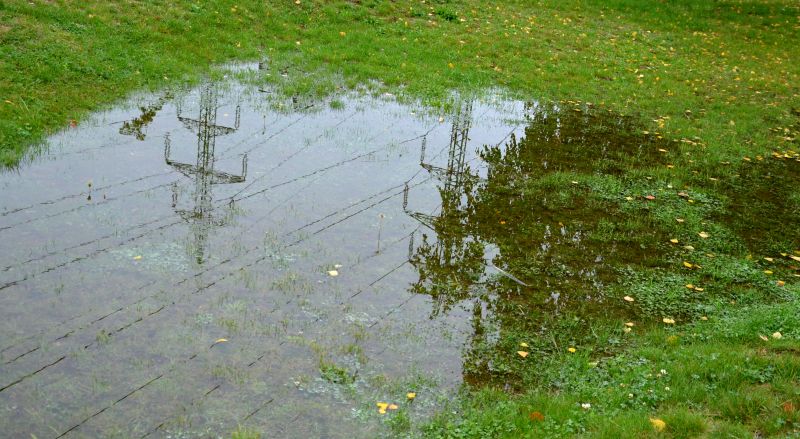
Clearly describe your standing yard water drainage project to compare local contractors and find the best solution.
- Inspect standing water areas for persistent pooling after rain or snowmelt to identify drainage issues. - Look for spots where water remains longer than surrounding areas during spring rains.
- Check for signs of erosion or soil displacement around low-lying yard areas that may indicate poor drainage. - Note any soil movement or washouts that could suggest inadequate water runoff.
- Evaluate the slope and grading of the yard to ensure water naturally flows away from structures and common problem zones. - Consider if the yard’s terrain directs water toward drainage points or creates pooling areas.
- Identify clogged or blocked drainage paths, such as gutters, downspouts, or yard drains, that could contribute to standing water. - Look for debris buildup or obstructions that prevent proper water flow.
- Assess whether existing drainage systems are functioning effectively or require repairs to improve water runoff. - Observe if water is bypassing or overflowing drainage features during heavy rain.
- Consult local contractors who specialize in yard drainage solutions to determine the best methods for improving standing water issues. - Seek professional advice for tailored drainage improvements suited to the yard’s specific conditions.
Use standing yard water drainage ideas to refine your spring project scope with trusted local contractors.
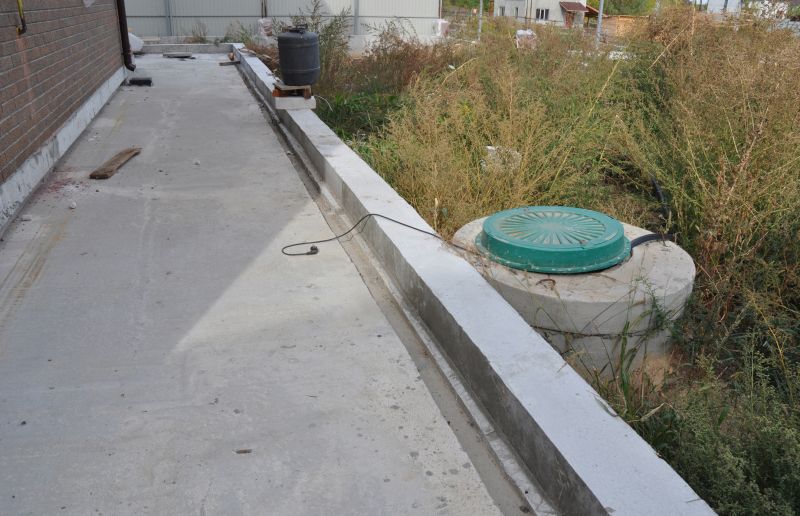
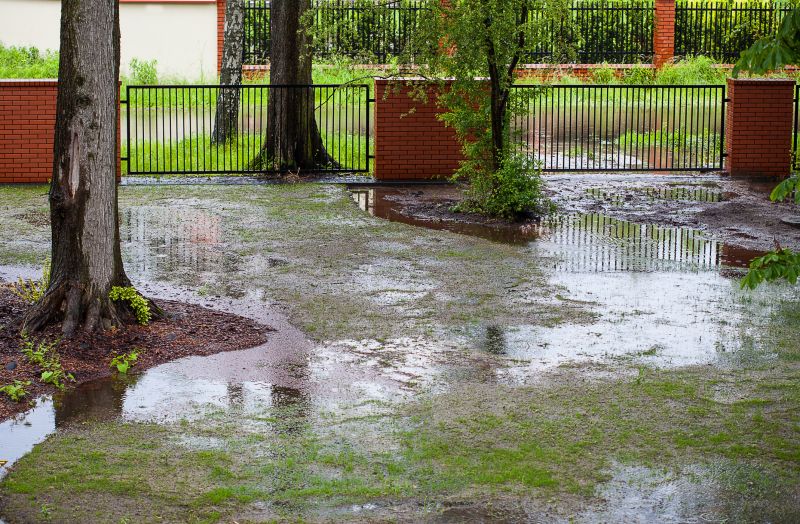
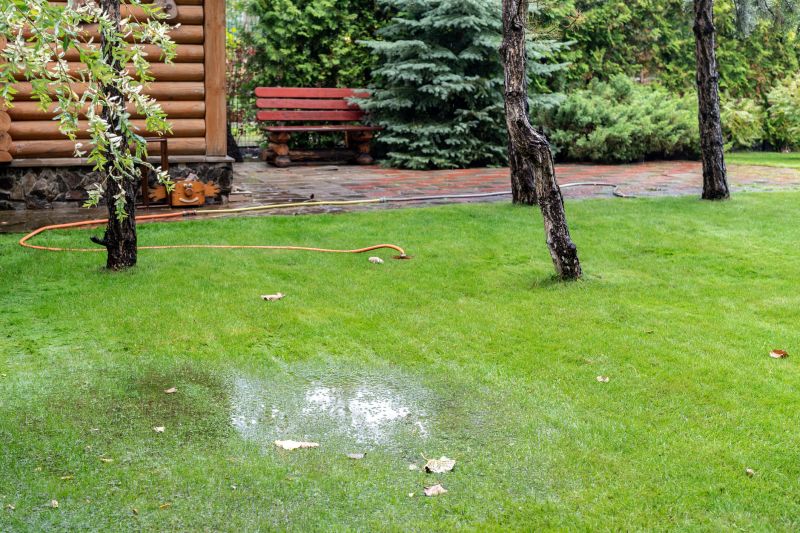
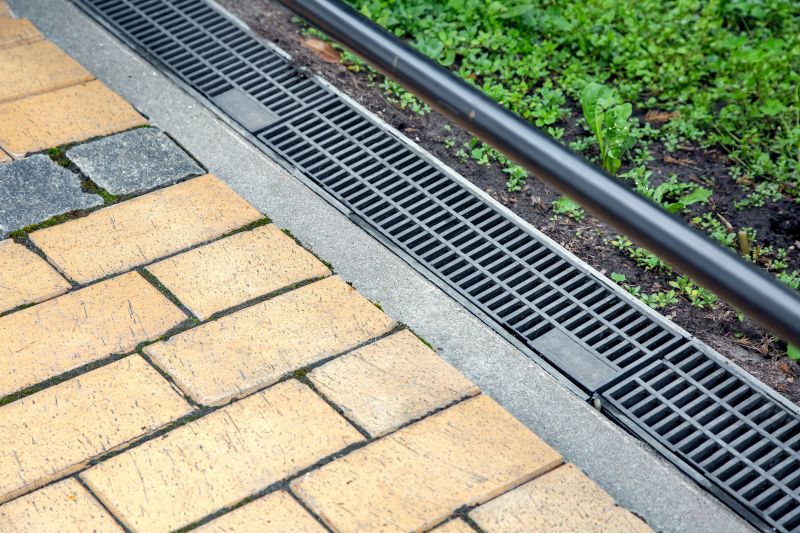
Prioritize your yard drainage needs and compare local contractors to find the best fit for spring cleanup.
- Assessing Drainage Needs - Spring is a good time to evaluate standing yard water issues and determine if drainage improvements are necessary. Local contractors can help identify problem areas and suggest effective solutions.
- Installing Drainage Systems - Installing French drains or surface drains can help redirect standing water away from yards and foundations, preventing water accumulation during spring rains.
- Improving Soil Drainage - Enhancing soil conditions with amendments can promote better water absorption and reduce surface pooling in the yard.
- Creating Grading Solutions - Regrading yard slopes can facilitate proper runoff and prevent water from settling in low spots during spring storms.
- Maintaining Existing Drainage Features - Clearing debris from existing drains and ensuring proper function can keep yard water flowing away effectively throughout the spring season.
This section helps you compare local contractors for standing yard water drainage projects, ensuring consistent evaluation across providers.
- Assessment of Water Accumulation - Identify areas where standing water tends to collect after rainfall or irrigation.
- Drainage Path Evaluation - Determine the natural flow directions and any obstructions affecting water movement on the yard.
- Soil and Ground Conditions - Analyze soil type and compaction to understand drainage capabilities and limitations.
- Existing Drainage Solutions - Review current drainage features, such as swales or drains, for effectiveness and areas needing improvement.
- Design and Implementation Options - Explore potential drainage methods and features that local contractors can install or upgrade.
When evaluating service providers for standing yard water drainage projects during the spring season, it is important to consider their experience with similar types of work. Homeowners should seek out local contractors who have a proven track record of successfully completing yard drainage solutions in environments comparable to their own. An experienced professional will understand common challenges associated with springtime water accumulation and be better equipped to recommend effective strategies tailored to the specific site conditions.
Clear communication about the scope of work is essential when comparing options. Homeowners should look for service providers who can articulate a detailed plan outlining the tasks involved, including site assessment, drainage system installation or repair, and any necessary grading adjustments. Having a well-defined scope helps ensure that all parties share expectations and that the project addresses the homeowner’s specific concerns about standing water, especially as spring rains increase water runoff.
Work planning considerations are also crucial in the selection process. Homeowners should inquire about how local contractors plan their projects, including site preparation, sequencing of tasks, and potential disruptions. A professional who considers seasonal weather patterns and coordinates work accordingly can help ensure the project proceeds smoothly and efficiently. Understanding how contractors approach planning can also reveal their level of professionalism and attention to detail, which are key factors in successful yard drainage solutions.
Finally, evaluating options involves assessing how each service provider approaches the project without focusing solely on cost. Homeowners should consider the clarity of communication, the experience with similar projects, and the proposed work plan. By reviewing the scope of work and understanding each contractor’s approach, homeowners can make informed comparisons and select a local professional who aligns with their specific needs for effective yard drainage during the spring season.
Request written details from service providers to ensure clear scope for spring yard drainage projects.
- Drainage System Scope - What specific drainage issues related to standing yard water do local contractors typically address during spring?
- Service Provider Comparison - How do local service providers differ in their approaches to managing yard water drainage in spring conditions?
- Drainage Solutions Offered - What types of drainage solutions do local contractors commonly propose for spring yard water problems?
- Assessment and Planning - How do local pros evaluate yard drainage needs to create effective spring-focused drainage plans?
- Scope of Work Clarification - What aspects of yard drainage are typically included or excluded in the scope of services from local contractors?
What causes standing yard water after spring rains? Standing yard water often results from poor drainage, compacted soil, or an uneven landscape that prevents water from flowing away efficiently.
How can local contractors improve yard drainage in spring? They may install drainage solutions such as French drains, improve soil grading, or add permeable landscaping to help water flow away more effectively.
Is it necessary to remove standing water before planting or landscaping? Yes, removing excess water helps prevent plant damage, soil erosion, and mosquito breeding, creating a healthier environment for new landscaping efforts.
What are common drainage solutions for yard water issues in spring? Common options include trench drains, dry wells, sump pumps, and landscape grading adjustments tailored to the yard’s specific needs.
When should yard drainage improvements be considered in spring? Spring is an ideal time to assess and address drainage problems, especially after seasonal rains, to prepare the yard for summer landscaping projects.
How can local service providers assist with yard water drainage problems? They can evaluate the yard’s drainage issues and recommend or install appropriate solutions to improve water flow and prevent future pooling.
Standing yard water drainage solutions are essential for managing excess spring runoff and preventing pooling or erosion in your landscape. Visitors have learned how proper drainage systems can improve yard stability, reduce water-related issues, and prepare outdoor spaces for the season ahead. To explore options and find the right local contractors for your project, using the quote form to compare providers can help connect you with experienced service providers in your area.
Spring is a great time to plan yard improvements that address water management needs. By reaching out through the quote form, you can gather information and compare local contractors who specialize in standing yard water drainage. This approach makes it easier to find the right professionals to help implement effective solutions tailored to your landscape.
Providing clear details about your standing yard water drainage needs helps local contractors understand your project better.
- Drainage Solutions - homeowners may share details about existing drainage issues or areas prone to standing water.
- Water Flow Concerns - visitors might describe how water accumulates or causes issues during heavy rain.
- Property Details - information about yard size, slope, or landscape features can be shared for assessment.
- Previous Work - details about any prior drainage work or repairs done on the property can be provided.